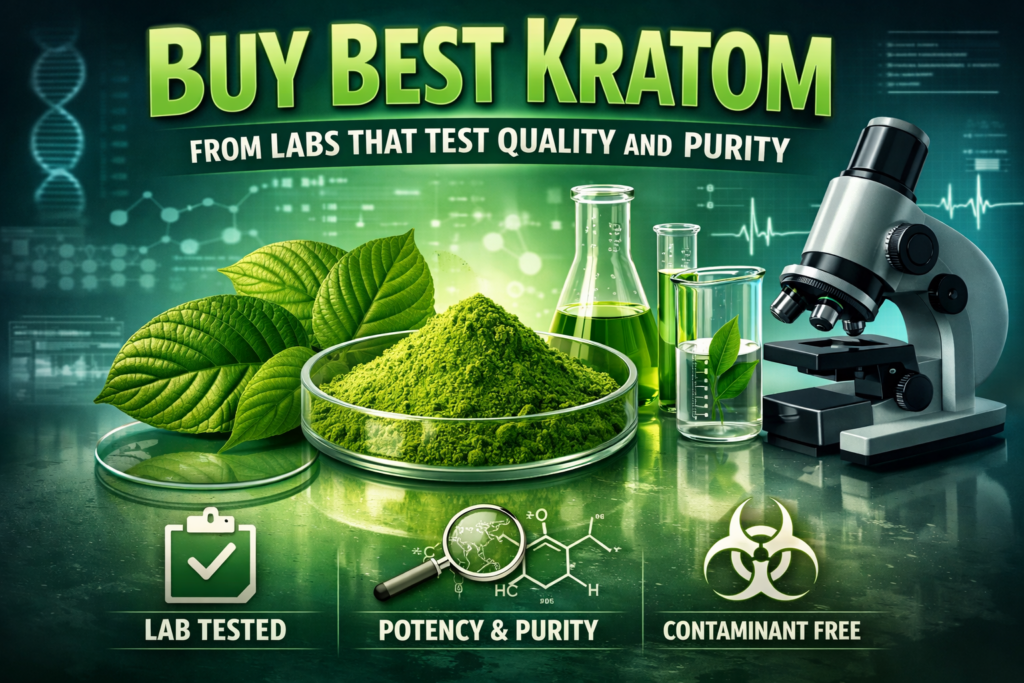

In a market flooded with unverified products and questionable suppliers, finding the Best Kratom Vendors who prioritize laboratory testing and quality assurance can mean the difference between a safe, effective experience and potential health risks. With the kratom industry largely unregulated, consumers must become educated advocates for their own safety, seeking out vendors who voluntarily submit their products to rigorous third-party testing for purity, potency, and contaminants.
- Laboratory testing is essential: Quality kratom vendors conduct third-party testing for alkaloid content, heavy metals, pathogens, and adulterants
- Certification matters: Look for vendors who provide Certificates of Analysis (COAs) for every batch of kratom they sell
- Transparency builds trust: The best vendors openly share testing results, sourcing information, and manufacturing processes
- Price reflects quality: Premium, lab-tested kratom typically costs more but ensures safety and consistency
- Reputation is earned: Established vendors with positive customer reviews and industry recognition are safer choices
Understanding the Importance of Laboratory Testing
The kratom market operates in a regulatory gray area, which means quality control standards vary dramatically between suppliers. Without mandatory oversight, some vendors cut corners, selling products that may contain harmful contaminants, incorrect alkaloid profiles, or even dangerous adulterants.
Laboratory testing addresses these concerns by providing objective, scientific verification of product quality. Reputable testing facilities analyze kratom samples for:
- Alkaloid content (mitragynine and 7-hydroxymitragynine levels)
- Heavy metals (lead, mercury, arsenic, cadmium)
- Microbial contamination (salmonella, E. coli, mold, yeast)
- Pesticides and herbicides
- Adulterants and fillers
Why Third-Party Testing Matters 🔬
Third-party testing means an independent laboratory—not affiliated with the vendor—performs the analysis. This separation eliminates conflicts of interest and ensures unbiased results. When evaluating kratom brands or kratom vendors, consumers should specifically seek those who use accredited laboratories following standardized testing protocols.
Identifying the Best Kratom Vendors
Not all vendors are created equal. The Best Kratom Vendors distinguish themselves through several key characteristics that demonstrate their commitment to quality and customer safety.
Essential Vendor Qualities
| Quality Factor | What to Look For |
|---|---|
| Testing Transparency | COAs readily available on website for every product batch |
| Sourcing Information | Clear details about kratom origin and harvesting practices |
| Customer Service | Responsive support team knowledgeable about products |
| Business Longevity | Established presence in the kratom community |
| Industry Compliance | Membership in trade associations like AKA (American Kratom Association) |
| Product Variety | Multiple strains and formats with consistent availability |
Red Flags to Avoid ⚠️
When shopping for kratom, certain warning signs indicate a vendor may not meet quality standards:
- No available testing results or COAs
- Unrealistically low prices
- Extravagant health claims
- Poor website design or lack of contact information
- Negative reviews mentioning contamination or illness
- Refusal to provide batch-specific information
- Lack of proper packaging or labeling
How to Verify Laboratory Testing Results
Even when vendors claim to test their products, savvy consumers should verify these claims. The best kratom sellers make this verification process straightforward and transparent.
Reading Certificates of Analysis
A legitimate COA should include:
- Laboratory identification: Name and contact information for the testing facility
- Batch number: Specific identifier linking the COA to the product
- Test date: Recent testing within the past few months
- Comprehensive results: Clear pass/fail indicators for all tested parameters
- Alkaloid percentages: Specific mitragynine and 7-hydroxymitragynine content
- Signature or seal: Official validation from the laboratory
Verifying Laboratory Credentials 📋
Take the extra step of researching the testing laboratory itself. Reputable facilities should:
- Hold ISO/IEC 17025 accreditation
- Specialize in botanical or supplement testing
- Have publicly available contact information
- Respond to verification inquiries
- Follow standardized testing methodologies
The Role of Industry Standards
While kratom remains largely unregulated at the federal level, industry organizations have stepped up to establish voluntary quality standards. The American Kratom Association’s GMP (Good Manufacturing Practice) Standards Program represents the gold standard in kratom quality assurance.
GMP Certification Benefits
Vendors who achieve GMP certification demonstrate:
- Facility compliance: Manufacturing environments meet strict cleanliness and safety standards
- Process controls: Documented procedures ensure consistent product quality
- Testing protocols: Regular third-party testing of all products
- Record keeping: Comprehensive documentation for traceability
- Employee training: Staff educated in proper handling and safety procedures
Understanding Kratom Purity and Potency
Purity and potency are distinct but equally important quality markers. Purity refers to the absence of contaminants, while potency indicates the concentration of active alkaloids.
Alkaloid Content Standards
Quality kratom typically contains:
- Mitragynine: 1.0-2.0% (can range higher in premium strains)
- 7-Hydroxymitragynine: 0.01-0.05%
Vendors who test for alkaloid content can provide consistency across batches, helping consumers find products that meet their specific needs. Variations in alkaloid profiles explain why different strains produce varying effects.
Contamination Thresholds
Testing laboratories use established safety limits for contaminants:
- Heavy metals: Must fall below FDA guidance levels for botanical products
- Microbial limits: Should meet USP standards for botanical supplements
- Pesticides: Non-detectable or below EPA tolerance levels
Comparing Vendor Testing Practices
When evaluating multiple vendors, create a comparison chart to assess their testing commitments:
Testing Frequency
- Per-batch testing: Ideal standard where every production batch undergoes testing
- Quarterly testing: Acceptable minimum for consistent suppliers
- Annual testing: Insufficient for ensuring ongoing quality
- No regular testing: Unacceptable risk
Testing Scope
The most comprehensive vendors test for:
✅ Full alkaloid profile
✅ Heavy metals panel
✅ Microbial contamination
✅ Pesticides and herbicides
✅ Adulterants and fillers
Price Versus Quality Considerations 💰
Premium, lab-tested kratom commands higher prices for legitimate reasons. The costs associated with quality assurance include:
- Third-party laboratory fees
- GMP facility maintenance
- Proper sourcing and importation
- Quality packaging materials
- Batch tracking systems
- Regulatory compliance efforts
While budget constraints matter, choosing the cheapest option often means compromising on safety and effectiveness. Investing in tested kratom protects health and ensures value through consistent, reliable products.
Questions to Ask Potential Vendors
Before making a purchase, contact vendors directly with these essential questions:
- Can you provide current COAs for the specific batch I’m purchasing?
- Which laboratory conducts your testing, and how often?
- Are you GMP certified or working toward certification?
- Where do you source your kratom, and what are your supplier relationships?
- What is your return or satisfaction guarantee policy?
- How do you ensure batch-to-batch consistency?
- What storage and handling procedures do you follow?
Professional vendors will answer these questions thoroughly and enthusiastically, viewing them as opportunities to demonstrate their quality commitment.
The Value of Customer Reviews and Testimonials
While laboratory testing provides objective quality measures, customer experiences offer subjective insights into vendor reliability. When reading reviews, look for:
Credible Review Indicators
- Verified purchases: Reviews from confirmed customers
- Specific details: Mentions of particular strains, effects, or customer service experiences
- Balanced perspectives: Mix of positive and constructive feedback
- Recent dates: Current reviews reflecting ongoing business practices
- Consistency: Similar themes across multiple reviews
Review Platform Reliability
Seek reviews on:
- Independent kratom community forums
- Third-party review websites
- Social media platforms
- Reddit kratom communities
- Better Business Bureau listings
Conclusion
Purchasing kratom from vendors who prioritize laboratory testing and quality assurance is not just a preference—it’s a necessity for safety and effectiveness. The Best Kratom Vendors distinguish themselves through transparent third-party testing, GMP compliance, comprehensive COAs, and genuine commitment to customer wellbeing.
By focusing on vendors who test for alkaloid content, heavy metals, microbial contamination, and adulterants, consumers protect themselves from the significant risks present in the unregulated kratom market. While premium, tested products cost more, this investment delivers peace of mind, consistent experiences, and protection against potentially dangerous contaminants.